
Paint correction
The Work That Decides The Finish
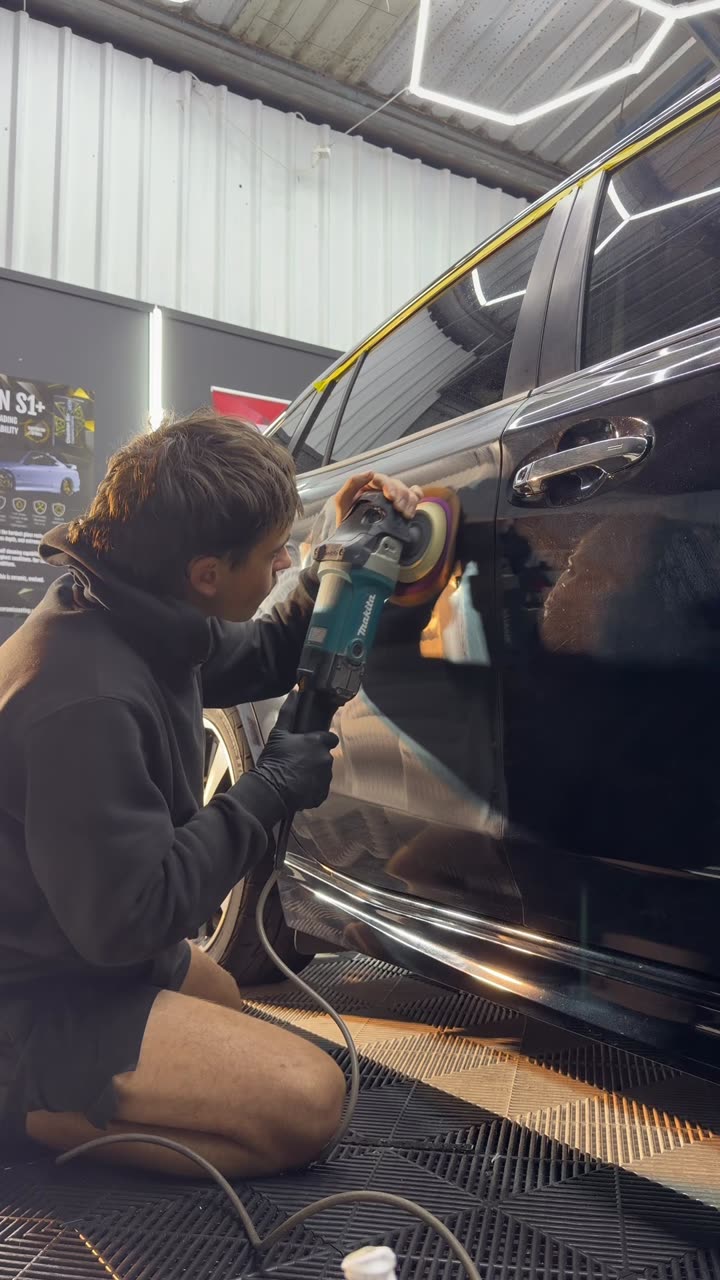
A ceramic coating does not hide paint defects. It seals in whatever is underneath and keeps it there. Correction is what makes the finish worth protecting in the first place.
Why it matters
Coating Over Defects Makes Them Permanent
A coating is a hard, transparent layer bonded to your clear coat. It follows the surface it is laid on exactly. If that surface is full of fine scratches, the coating locks them in — and now they are underneath something designed to last years.
That is why every coating package here includes decontamination and a single-stage enhancement as standard. It is not an upsell; it is the only way the coating can do what it is supposed to do.
Where paint needs more than a single stage, that is assessed and quoted separately so you can decide with the full picture in front of you — including whether the extra correction is genuinely worth it for your vehicle.
What's involved
Correction Services
What gets done depends entirely on what the paint inspection finds.
Paint enhancement
A single refined machine stage that lifts gloss and clarity across the vehicle. The right choice for newer paint or cars in good condition.
Swirl and haze removal
The spiderweb pattern that shows up in sunlight — almost always from automatic washes, dry wiping and the wrong wash technique.
Oxidation and fading improvement
Chalky, flat-looking paint from years of UV exposure can often be brought back a long way, depending on how far it has gone.
Scratch reduction
Lighter scratches within the clear coat can be levelled out. Deeper ones are improved and made far less obvious, not erased.
Gloss restoration
Refining stages bring back the sharp, wet reflection that dull paint has lost — the difference you see from across the car park.
Multi-stage correction
A cutting stage followed by refining, for paint carrying heavier defects. Quoted individually because no two cars need the same work.
Before and after
Same Panel, Same Light
Drag the handle to compare. Comparison media is shot under identical lighting so what you're seeing is the correction, not the camera.


Drag to compare
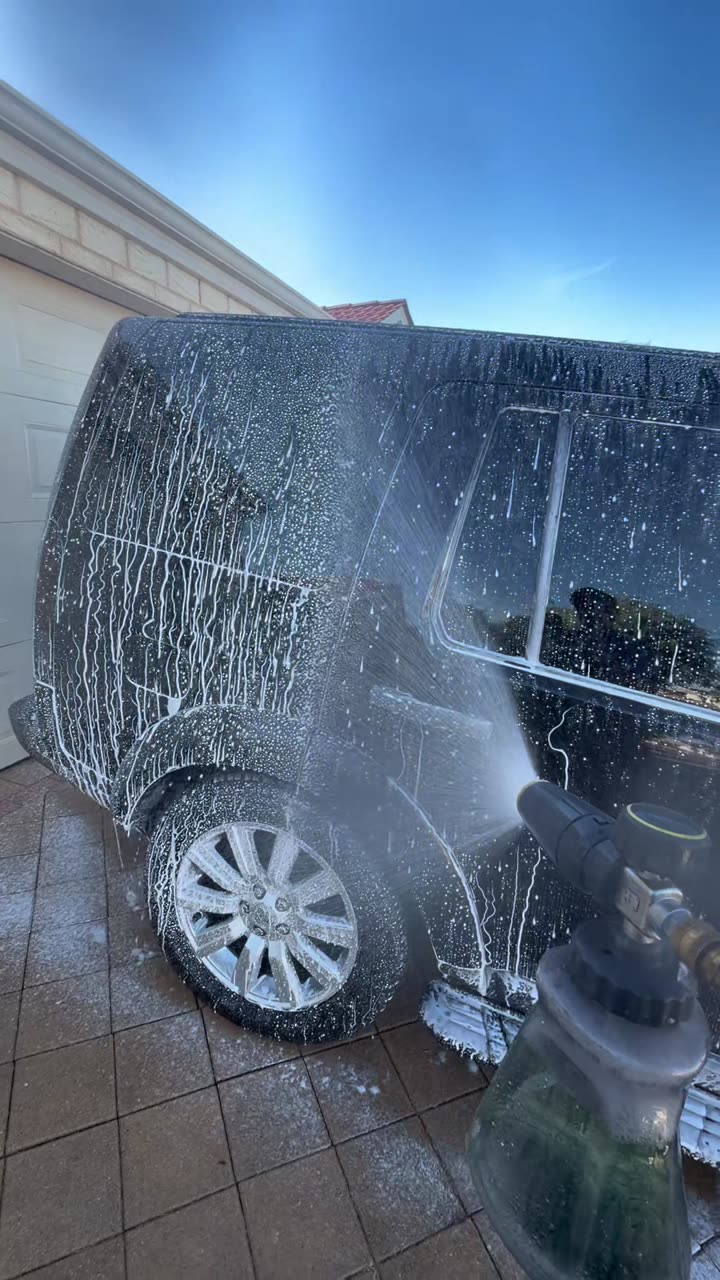
Corrected paint, then coated — water leaves the surface instead of sitting on it.
Being straight with you
What Results Depend On
- Paint conditionHow the car has been washed and stored over its life sets the starting point.
- Paint depthThere is a finite amount of clear coat. Resprayed or previously polished panels have less of it to work with, and that limits what is safe to remove.
- Defect severityLight marring levels out readily. Deep scratches that catch a fingernail sit below what can be safely corrected.
- Paint hardnessSome manufacturers use notably hard or notably soft clear coats. Both change how the paint responds and how long correction takes.
Correction is priced per vehicle after inspection. You will always know what is achievable, what it costs and what is being left alone before any work begins.
Common questions
Straight Answers
No, and any detailer who promises that is guessing. Correction works by levelling an extremely thin amount of clear coat. If a scratch is deeper than the clear coat allows, removing it entirely would take away more material than is safe. Those defects get improved and softened rather than erased, and you will be told which is which before work starts.
The paint is inspected under correction lighting and, where relevant, paint depth is checked. From there the options are laid out: what a single-stage enhancement will achieve, what a multi-stage correction would add, and whether the extra work is worth it for your car and how you use it.
Enhancement is a single machine stage that removes lighter defects and restores a lot of gloss — it is included in both coating packages. Multi-stage correction adds a cutting stage before refining, targeting deeper swirls, sanding marks and heavier defects. It takes considerably longer and is quoted per vehicle.
New vehicles are washed, transported, stored and prepared for delivery before you ever see them. Light marring from that handling is extremely common, and it shows up under direct sun once the dealership lighting is gone.
It can be, but unprotected corrected paint starts collecting new defects from the very first wash. Most owners correct and coat together so the finish is sealed and stays that way.
Next step
Have Your Paint Assessed
Send a few daylight photos of the paintwork with your enquiry. You'll get an honest read on what correction would achieve for your car — and what it wouldn't.
Workshop
16 Ambrose Street
Rockingham WA 6168
Open
Monday – Friday
8:00am – 7:00pm